Living in Plano, TX, day-to-day life feels like suburban living with big-city conveniences: safe neighborhoods, high incomes, good schools, and plenty of parks and shopping, but also higher housing costs and a lot of driving.
Quick snapshot of Plano life
- The population is around 310,000, with a median age of 38, so the city feels family‑oriented but not “only for kids.”
- The median household income is slightly over $108,000, supporting a comfortable lifestyle for many residents.
- The cost of living is approximately 8–9% higher than the U.S. average overall, with housing costs being about 12% higher.
Day to day, that means people here tend to have stable jobs, busy schedules, and a budget to enjoy dining, kids’ activities, and travel, but they are still price-sensitive when it comes to housing and property taxes.
Safety, schools, and neighborhoods
- Plano regularly ranks among the safest and best cities to live in the U.S., with overall crime roughly 20–25% below the national average.
- Violent crime rates are well below U.S. averages, which is why many families feel comfortable at parks, trails, and shopping centers even in the evenings.
- Public schools are highly rated, and many families choose Plano specifically for education, which shapes daily life around school calendars, activities, and traffic near campuses.
On a normal weekday, you will see school drop‑off lines, kids’ sports practices, tutoring centers, and music or STEM academies packed after 4 p.m.
Commute, traffic, and getting around
- The average commute time is a little over 25 minutes, shorter than many big metros but still very car‑dependent.
- Major roads, such as US-75, the Dallas North Tollway, and George Bush, can back up at rush hour, so most people plan their work, errands, and children’s schedules around peak times.
- Public transit is limited compared to larger cities, so daily life typically involves driving to work, grocery stores, gyms, and kids’ activities.
For many residents, a typical day includes a car commute, a stop at a grocery store or Starbucks on the way home, and evening traffic around major shopping areas, such as Legacy or Preston.
Cost of living and housing
- The overall cost of living in Plano is approximately 18% higher than the Texas average and roughly 9% higher than the national average.
- Housing is the largest line item: home prices average in the upper $ 500,000s to low $ 600,000s, and average rent is around the mid-$1,600s to high-$1,700s per month.
- Utilities and healthcare costs are also higher than the national average, while grocery costs are roughly similar or slightly lower.
Day to day, that translates into comfortable homes, newer construction in many neighborhoods, and well‑kept streets, but buyers must budget carefully for mortgages, property taxes, and HOA dues where applicable.
Parks, food, and things to do
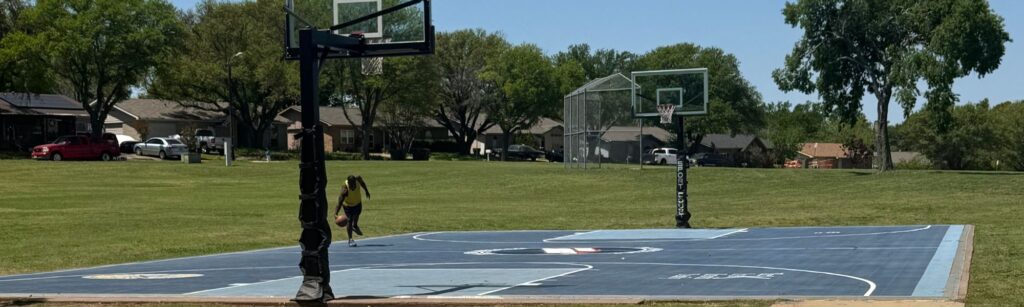
- Plano has more than 4,000 acres of parks and has ranked in the top 20 nationally for its park systems, so outdoor life is an integral part of the routine.
- Quality-of-life indexes show high scores for climate, safety, and healthcare, which help explain why residents consistently rate Plano as a place with strong day-to-day comfort.
- There is a wide range of restaurants, from casual family spots to upscale dining options in areas like Legacy West, as well as regular community events, festivals, and kids’ programs.
On a typical weekend, locals might attend a youth game in the morning, run errands at large retail centers, and then head to Legacy West, Downtown Plano, or a nearby neighborhood park in the evening.
Pros, cons, and who Plano fits
- Big pros for daily life: high incomes, low crime, good schools, well‑maintained neighborhoods, and plenty of parks and amenities within a short drive.
- Main trade‑offs: higher housing costs than many Texas cities, noticeable summer heat, and heavy reliance on cars with traffic at peak hours.
- Plano tends to fit professionals, families, and relocators who want a stable, suburban lifestyle with good schools and services, more than an urban, walkable, nightlife‑first environment.
If you are planning a move to Plano or thinking about selling and buying within the city, reach out to a local realtor who can walk you through neighborhoods, schools, HOAs, and commute patterns that match your daily routine.